Sustainability
At Fazenda Mungo, sustainability is approached as a long-term design principle, guiding how the project is planned, developed, and phased over time.
Rather than presenting sustainability as a set of completed initiatives or performance claims, the project focuses on embedding responsible decision-making into land use, infrastructure development, crop selection, and operational planning.
This approach reflects the project’s long-term horizon and its commitment to building systems that are viable, resilient, and adaptable.

Sustainability as a Design Principle
Sustainability at Fazenda Mungo begins at the design stage.
Key decisions — including site layout, crop choices, infrastructure sequencing, and resource use — are taken with long-term impacts in mind, rather than short-term optimisation.
By progressing in phases, the project allows sustainability considerations to be tested, adjusted, and improved as experience is gained on the ground.
Land & Natural Resources
Responsible land use is a central consideration in the development of Fazenda Mungo.
The project prioritises:
- Appropriate land preparation aligned with long-term soil health
- Careful management of water as a strategic natural resource
- Infrastructure development that respects site conditions and future agricultural needs
The farm benefits from abundant natural water resources, which are treated as an asset to be managed conservatively and responsibly over time.
Crop Selection & Phasing
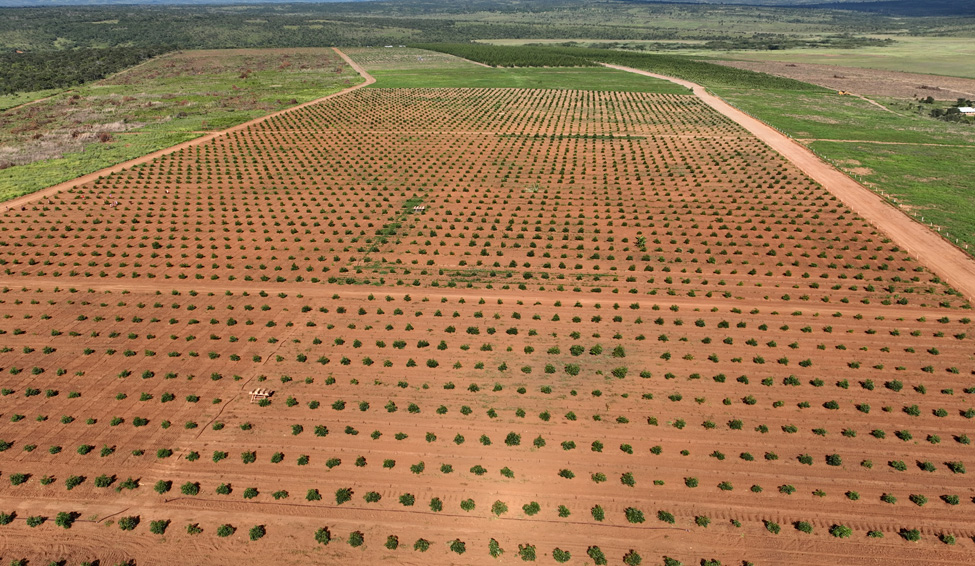
Crop selection at Fazenda Mungo is guided by suitability, performance, and long-term viability.
Rather than pursuing broad diversification from the outset, crops are introduced progressively, allowing agronomic results and operational experience to inform future expansion.
This approach reduces risk, supports learning, and avoids premature scale that could compromise sustainability objectives.
Operational Discipline
Operational practices at Fazenda Mungo are developed with an emphasis on discipline, consistency, and adaptability.
As systems evolve, practices are assessed and refined based on performance, environmental considerations, and alignment with long-term objectives.
This learning-oriented mindset is considered essential to maintaining sustainability as the project grows.
Certification & Continuous Improvement
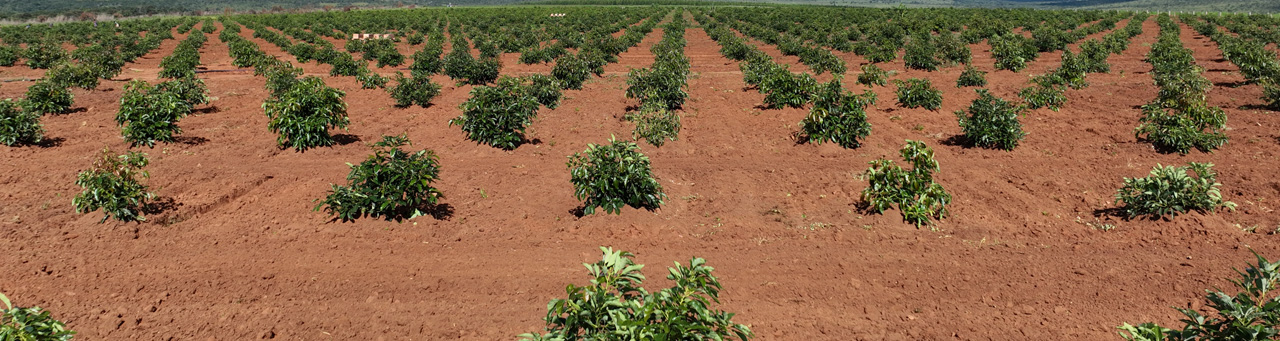
While sustainability at Fazenda Mungo is not driven primarily by certification outcomes, international standards are recognised as useful and necessary reference points for structuring processes, discipline, and continuous improvement.
The project is being developed with international certification requirements in mind, with the objective of achieving Global G.A.P. certification during 2026 as a first step. Additional certifications will be implemented over time, in line with project maturity and market requirements.
Certification is viewed as part of a broader process of continuous improvement, rather than an end in itself.
Social Considerations & Shared Value (Looking Ahead)
Social considerations are approached with the same phased logic as other aspects of the project.
Future shared-value business models — including engagement with surrounding farming communities — are being considered at a design level, with implementation dependent on project maturity, operational readiness, and appropriate structures being in place. At the current stage, the emphasis remains on building the technical and operational foundations required to support such initiatives responsibly in the future.
Summary
Sustainability at Fazenda Mungo is not a static claim, but an evolving practice.
By embedding sustainability into design, phasing, and decision-making, the project aims to develop responsibly over time — balancing environmental stewardship, operational viability, and future market alignment.